






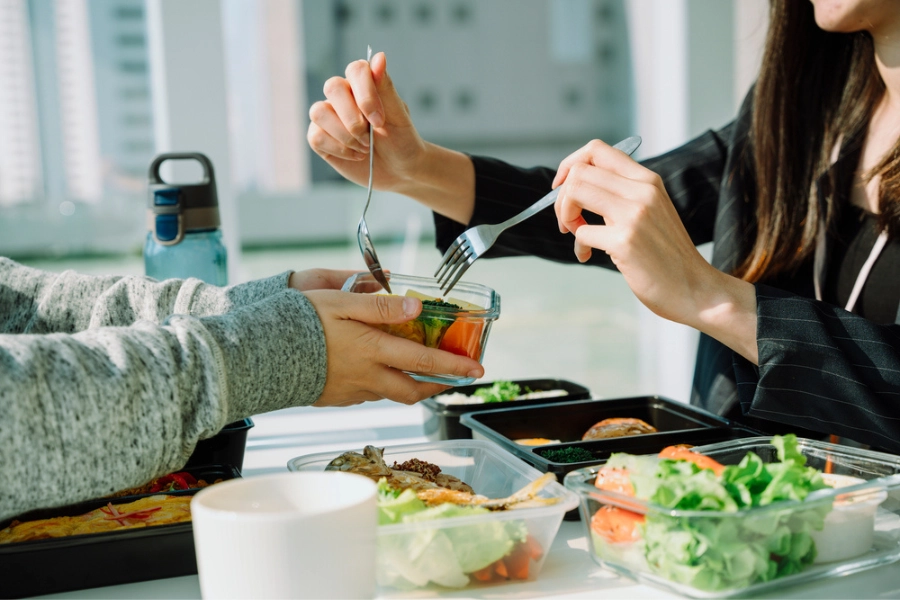
Most of us who work in an office have very little time at home. Compared to going out to eateries for convenience, bringing lunch to work also has quite a few significant benefits, such as clean food that ensures health, not having to go out in the blazing sun all sweaty, and so on.
So the solution is we need to recalculate the tight schedule to allow enough time for daily activities. Let's find out Tips for cooking rice to save time of Galaxy Office, please.
1. Should I cook in the morning or cook the night before and reheat it?
You should avoid cooking food the night before and reheating it the next morning. Food left overnight ferments and contains certain bacteria that are harmful to the body. This is a bad habit that affects your health; in the long run, it can lead to intestinal and digestive diseases, or even cancer.
Therefore, it is best for you to cook in the morning to have food that is both delicious, safe, and healthy.
2. So how do you cook rice to save time?
- If you do not have much time in the morning, you should prepare simple dishes.
- Using 2 stoves to both cook soup and prepare meat and fish simultaneously will save a lot of time.
- Cook rice in the morning for both lunch and dinner. The reason is that if you cook it in the evening, eating it the next day at noon is a 16-hour gap. Meanwhile, if you cook in the morning, you will eat lunch 4 hours after cooking and dinner 8 hours after cooking.
- You should cook at the beginning of the morning before you start preparing the dishes; when the food is freshly cooked, the rice will also be done. That way, the rice will be tender and more fragrant when you have your meal. When transferring the rice into a storage container, you should not do so while it is still hot, because that will cause the rice to sweat and spoil quickly.
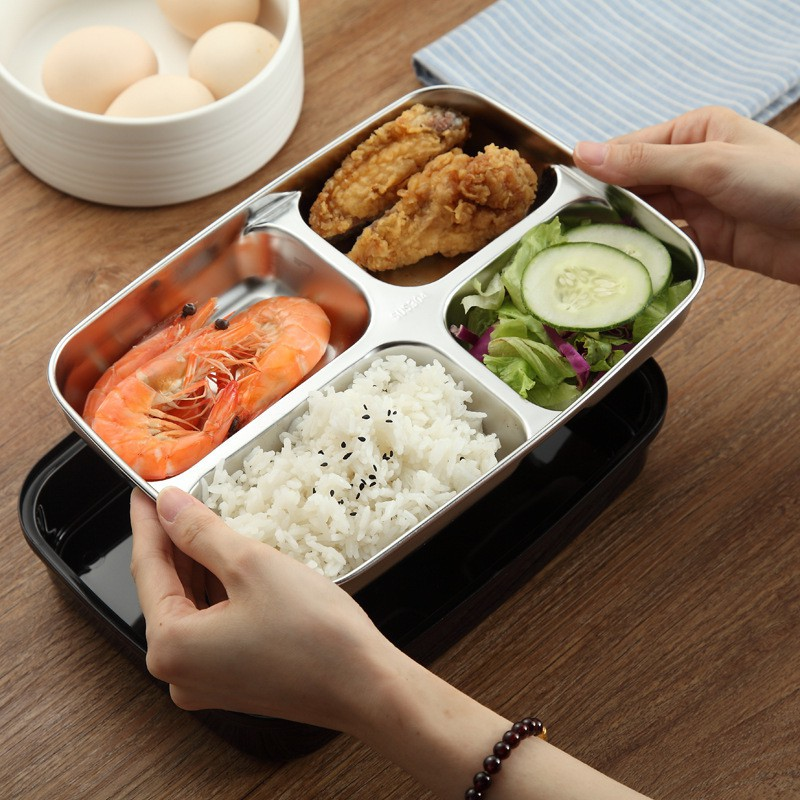
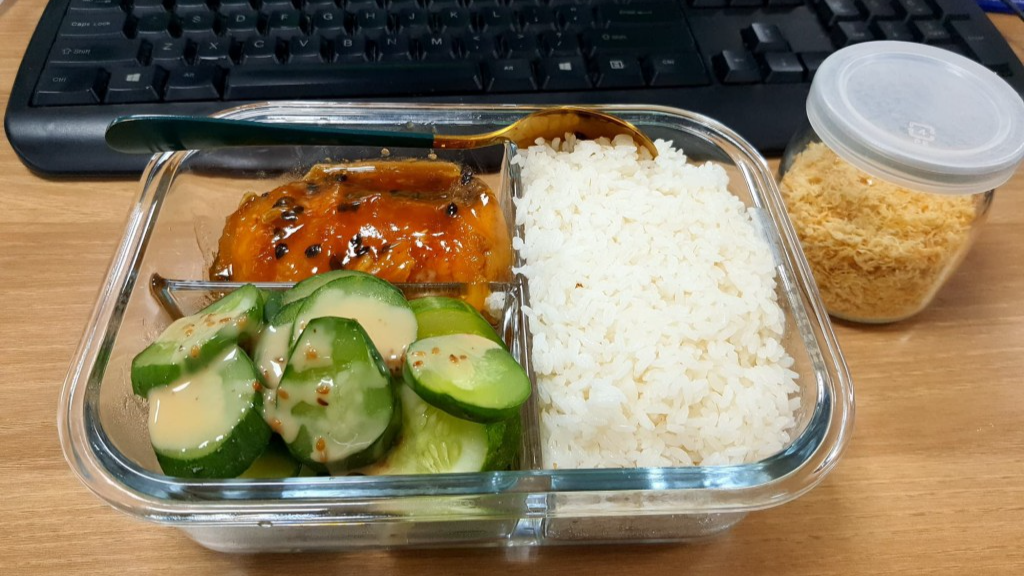
- You should pack the rice when it has just cooled down or is slightly warm. When packing rice into insulated lunch boxes, you should put the rice in a separate compartment and avoid letting condensation from the food mix in, as it will make the rice moist and prone to spoiling or going sour.
- To make morning preparation more convenient, you should prepare the necessary ingredients in advance. You should thaw meat and fish the night before by moving them from the freezer to the refrigerator's chiller compartment so you don't waste time thawing them in the morning.
Also, to avoid wasting a lot of time, in the morning you should prepare simple savory dishes such as:
- Meat dishes: braised pork ribs, braised pork with eggs, fried meat, boiled pork, stir-fried beef with onions, roast pork, braised roast pork with pickled mustard greens, stir-fried shrimp with pork belly, dried braised pork belly...
- Fish, shrimp, and seafood dishes: steamed fish, braised fish with bamboo shoots, fried fish, fried dried fish; simmered shrimp, steamed fish, shrimp braised with pork, braised squid, stir-fried squid, fried squid...
- Egg dishes: fried eggs, boiled eggs, steamed eggs with fish sauce, rolled eggs…
- Vietnamese sausage dishesspring rolls, braised pork/meat loaf, savory braised meat loaf; fried fish cake, clown featherback fish cake, basa fish cake...
- Other dishes: fried tofu dishes, fried spring rolls, dried food, Chinese sausage, sausages…
Vegetable dishes are quite simple and easy to prepare. To save time in the morning, you should pick the vegetables or prep the roots and fruits the night before and store them in an airtight container in the refrigerator.
When packing vegetable dishes, you should choose insulated lunch boxes with tight-fitting lids to preserve them and prevent the vegetable juices from leaking and affecting other dishes. You can prepare boiled or stir-fried vegetable dishes such as:
- Steamed/boiled vegetables, tubers, and beans: sweet potato leaves, water spinach, cabbage, kohlrabi, radish, carrot, green beans, yardlong beans, squash, calabash, pumpkin…
- Stir-fried vegetable dishes: water spinach stir-fried with garlic, chayote shoots stir-fried with garlic, steamed Malabar spinach, pumpkin shoots stir-fried with garlic, stir-fried green beans… They can be stir-fried with minced meat, shrimp, squid… to make savory dishes
- Or you can use pickled mustard greens, pickles, kimchi, pickled vegetables...
For fruit and vegetable dishes
Similar to vegetable dishes, to save time when cooking soup, you should pick the vegetables or peel and cut the roots and tubers the night before and store them in an airtight container in the refrigerator.
You can prepare simple soups such as vegetable soup, mustard greens soup, sweet and sour elephant ear plant soup, squash soup, bitter melon soup, pumpkin and soy milk soup, mustard greens soup, etc. You can also combine them with fish, meat, or seafood to make both a soup and a savory dish for lunch preparation.
If you want to have soup with bone broth, to save time in the morning, you can simmer the bones to make the broth the evening before. Then store it tightly covered in the refrigerator so that cooking soup in the morning will be very delicious.
When packing for storage, you should choose thermal lunch boxes with a separate soup compartment designed with a tight-fitting lid to prevent spills.
You should let the food cool down before putting it in the container.
Some of you often think that rice, soup, and food must be put into boxes while still hot so that they will still taste good when brought out for lunch. However, in reality, doing this causes the food to release heat and usually sweat; accumulating condensation and easily spoiling, becoming contaminated with bacteria, or developing an odor.
Therefore, after cooking, let the food cool down to about 40°C – 50°C. At this point, put the rice, soup, and food into the thermal lunch box to take to work.
In particular, you should absolutely avoid exposing plastic items to high temperatures; this greatly increases health safety risks. Instead, use BPA-free plastic lunch boxes to ensure health safety.
Thus, summarized, we have the following main experiences:
- Avoid cooking food in advance and leaving it overnight.
- Avoid using low-quality plastic containers for food storage.
- Limit bringing foods with high water content.
- Evening is the time to prep meat, fish, and vegetables so that the next morning all that's left to do is cook.
- Using 2 burners allows you to cook both soup and meat at the same time.
1. Should I cook in the morning or cook the night before and reheat it?
You should avoid cooking food the night before and reheating it the next morning. Food left overnight ferments and contains certain bacteria that are harmful to the body. This is a bad habit that affects your health; in the long run, it can lead to intestinal and digestive diseases, or even cancer.
Therefore, it is best for you to cook in the morning to have food that is both delicious, safe, and healthy.
2. So how do you cook rice to save time?
- If you do not have much time in the morning, you should prepare simple dishes.
- Using 2 stoves to both cook soup and prepare meat and fish simultaneously will save a lot of time.
- Cook rice in the morning for both lunch and dinner. The reason is that if you cook it in the evening, eating it the next day at noon is a 16-hour gap. Meanwhile, if you cook in the morning, you will eat lunch 4 hours after cooking and dinner 8 hours after cooking.
- You should cook at the beginning of the morning before you start preparing the dishes; when the food is freshly cooked, the rice will also be done. That way, the rice will be tender and more fragrant when you have your meal. When transferring the rice into a storage container, you should not do so while it is still hot, because that will cause the rice to sweat and spoil quickly.
- You should pack the rice when it has just cooled down or is slightly warm. When packing rice into insulated lunch boxes, you should put the rice in a separate compartment and avoid letting condensation from the food mix in, as it will make the rice moist and prone to spoiling or going sour.
- To make morning preparation more convenient, you should prepare the necessary ingredients in advance. You should thaw meat and fish the night before by moving them from the freezer to the refrigerator's chiller compartment so you don't waste time thawing them in the morning.
Also, to avoid wasting a lot of time, in the morning you should prepare simple savory dishes such as:
- Meat dishes: braised pork ribs, braised pork with eggs, fried meat, boiled pork, stir-fried beef with onions, roast pork, braised roast pork with pickled mustard greens, stir-fried shrimp with pork belly, dried braised pork belly...
- Fish, shrimp, and seafood dishes: steamed fish, braised fish with bamboo shoots, fried fish, fried dried fish; simmered shrimp, steamed fish, shrimp braised with pork, braised squid, stir-fried squid, fried squid...
- Egg dishes: fried eggs, boiled eggs, steamed eggs with fish sauce, rolled eggs…
- Vietnamese sausage dishesspring rolls, braised pork/meat loaf, savory braised meat loaf; fried fish cake, clown featherback fish cake, basa fish cake...
- Other dishes: fried tofu dishes, fried spring rolls, dried food, Chinese sausage, sausages…
Vegetable dishes are quite simple and easy to prepare. To save time in the morning, you should pick the vegetables or prep the roots and fruits the night before and store them in an airtight container in the refrigerator.
When packing vegetable dishes, you should choose insulated lunch boxes with tight-fitting lids to preserve them and prevent the vegetable juices from leaking and affecting other dishes. You can prepare boiled or stir-fried vegetable dishes such as:
- Steamed/boiled vegetables, tubers, and beans: sweet potato leaves, water spinach, cabbage, kohlrabi, radish, carrot, green beans, yardlong beans, squash, calabash, pumpkin…
- Stir-fried vegetable dishes: water spinach stir-fried with garlic, chayote shoots stir-fried with garlic, steamed Malabar spinach, pumpkin shoots stir-fried with garlic, stir-fried green beans… They can be stir-fried with minced meat, shrimp, squid… to make savory dishes
- Or you can use pickled mustard greens, pickles, kimchi, pickled vegetables...
For fruit and vegetable dishes
Similar to vegetable dishes, to save time when cooking soup, you should pick the vegetables or peel and cut the roots and tubers the night before and store them in an airtight container in the refrigerator.
You can prepare simple soups such as vegetable soup, mustard greens soup, sweet and sour elephant ear plant soup, squash soup, bitter melon soup, pumpkin and soy milk soup, mustard greens soup, etc. You can also combine them with fish, meat, or seafood to make both a soup and a savory dish for lunch preparation.
If you want to have soup with bone broth, to save time in the morning, you can simmer the bones to make the broth the evening before. Then store it tightly covered in the refrigerator so that cooking soup in the morning will be very delicious.
When packing for storage, you should choose thermal lunch boxes with a separate soup compartment designed with a tight-fitting lid to prevent spills.
You should let the food cool down before putting it in the container.
Some of you often think that rice, soup, and food must be put into boxes while still hot so that they will still taste good when brought out for lunch. However, in reality, doing this causes the food to release heat and usually sweat; accumulating condensation and easily spoiling, becoming contaminated with bacteria, or developing an odor.
Therefore, after cooking, let the food cool down to about 40°C – 50°C. At this point, put the rice, soup, and food into the thermal lunch box to take to work.
In particular, you should absolutely avoid exposing plastic items to high temperatures; this greatly increases health safety risks. Instead, use BPA-free plastic lunch boxes to ensure health safety.
Thus, summarized, we have the following main experiences:
- Avoid cooking food in advance and leaving it overnight.
- Avoid using low-quality plastic containers for food storage.
- Limit bringing foods with high water content.
- Evening is the time to prep meat, fish, and vegetables so that the next morning all that's left to do is cook.
- Using 2 burners allows you to cook both soup and meat at the same time.
1. Should I cook in the morning or cook the night before and reheat it?
You should avoid cooking food the night before and reheating it the next morning. Food left overnight ferments and contains certain bacteria that are harmful to the body. This is a bad habit that affects your health; in the long run, it can lead to intestinal and digestive diseases, or even cancer.
Therefore, it is best for you to cook in the morning to have food that is both delicious, safe, and healthy.
2. So how do you cook rice to save time?
- If you do not have much time in the morning, you should prepare simple dishes.
- Using 2 stoves to both cook soup and prepare meat and fish simultaneously will save a lot of time.
- Cook rice in the morning for both lunch and dinner. The reason is that if you cook it in the evening, eating it the next day at noon is a 16-hour gap. Meanwhile, if you cook in the morning, you will eat lunch 4 hours after cooking and dinner 8 hours after cooking.
- You should cook at the beginning of the morning before you start preparing the dishes; when the food is freshly cooked, the rice will also be done. That way, the rice will be tender and more fragrant when you have your meal. When transferring the rice into a storage container, you should not do so while it is still hot, because that will cause the rice to sweat and spoil quickly.
- You should pack the rice when it has just cooled down or is slightly warm. When packing rice into insulated lunch boxes, you should put the rice in a separate compartment and avoid letting condensation from the food mix in, as it will make the rice moist and prone to spoiling or going sour.
- To make morning preparation more convenient, you should prepare the necessary ingredients in advance. You should thaw meat and fish the night before by moving them from the freezer to the refrigerator's chiller compartment so you don't waste time thawing them in the morning.
Also, to avoid wasting a lot of time, in the morning you should prepare simple savory dishes such as:
- Meat dishes: braised pork ribs, braised pork with eggs, fried meat, boiled pork, stir-fried beef with onions, roast pork, braised roast pork with pickled mustard greens, stir-fried shrimp with pork belly, dried braised pork belly...
- Fish, shrimp, and seafood dishes: steamed fish, braised fish with bamboo shoots, fried fish, fried dried fish; simmered shrimp, steamed fish, shrimp braised with pork, braised squid, stir-fried squid, fried squid...
- Egg dishes: fried eggs, boiled eggs, steamed eggs with fish sauce, rolled eggs…
- Vietnamese sausage dishesspring rolls, braised pork/meat loaf, savory braised meat loaf; fried fish cake, clown featherback fish cake, basa fish cake...
- Other dishes: fried tofu dishes, fried spring rolls, dried food, Chinese sausage, sausages…
Vegetable dishes are quite simple and easy to prepare. To save time in the morning, you should pick the vegetables or prep the roots and fruits the night before and store them in an airtight container in the refrigerator.
When packing vegetable dishes, you should choose insulated lunch boxes with tight-fitting lids to preserve them and prevent the vegetable juices from leaking and affecting other dishes. You can prepare boiled or stir-fried vegetable dishes such as:
- Steamed/boiled vegetables, tubers, and beans: sweet potato leaves, water spinach, cabbage, kohlrabi, radish, carrot, green beans, yardlong beans, squash, calabash, pumpkin…
- Stir-fried vegetable dishes: water spinach stir-fried with garlic, chayote shoots stir-fried with garlic, steamed Malabar spinach, pumpkin shoots stir-fried with garlic, stir-fried green beans… They can be stir-fried with minced meat, shrimp, squid… to make savory dishes
- Or you can use pickled mustard greens, pickles, kimchi, pickled vegetables...
For fruit and vegetable dishes
Similar to vegetable dishes, to save time when cooking soup, you should pick the vegetables or peel and cut the roots and tubers the night before and store them in an airtight container in the refrigerator.
You can prepare simple soups such as vegetable soup, mustard greens soup, sweet and sour elephant ear plant soup, squash soup, bitter melon soup, pumpkin and soy milk soup, mustard greens soup, etc. You can also combine them with fish, meat, or seafood to make both a soup and a savory dish for lunch preparation.
If you want to have soup with bone broth, to save time in the morning, you can simmer the bones to make the broth the evening before. Then store it tightly covered in the refrigerator so that cooking soup in the morning will be very delicious.
When packing for storage, you should choose thermal lunch boxes with a separate soup compartment designed with a tight-fitting lid to prevent spills.
You should let the food cool down before putting it in the container.
Some of you often think that rice, soup, and food must be put into boxes while still hot so that they will still taste good when brought out for lunch. However, in reality, doing this causes the food to release heat and usually sweat; accumulating condensation and easily spoiling, becoming contaminated with bacteria, or developing an odor.
Therefore, after cooking, let the food cool down to about 40°C – 50°C. At this point, put the rice, soup, and food into the thermal lunch box to take to work.
In particular, you should absolutely avoid exposing plastic items to high temperatures; this greatly increases health safety risks. Instead, use BPA-free plastic lunch boxes to ensure health safety.
Thus, summarized, we have the following main experiences:
- Avoid cooking food in advance and leaving it overnight.
- Avoid using low-quality plastic containers for food storage.
- Limit bringing foods with high water content.
- Evening is the time to prep meat, fish, and vegetables so that the next morning all that's left to do is cook.
- Using 2 burners allows you to cook both soup and meat at the same time.
The above are the time-saving rice cooking tips for office workers. I hope this can help a little with balancing work and your own cooking.
Galaxy Office – A reputable and professional office consulting and leasing company in Ho Chi Minh City
Galaxy Office is proud to be a leading name in the office rental sector in Ho Chi Minh City, not only for its quality but also for the diversity and flexibility of its services. We not only provide modern and convenient office solutions but also focus on cost-effectiveness and efficiency in every transaction.
With over 10 years of experience, we have built a diverse and extensive network of offices throughout the city, from central areas to surrounding areas. This allows us to meet all customer needs, from newly established businesses to large companies expanding their operations.
At Galaxy Office, we don't just provide you with a workspace, we also offer a creative and dynamic business community. We always create opportunities for businesses to collaborate, share ideas, and create new business opportunities.
If you are looking for a reliable partner to rent an office, contact Galaxy Office immediately via our hotline: 0939.663.882. Our team of specialists will attentively listen to and advise you on all your requirements, helping you choose the office space that best suits your business's specific needs and accompanying you on the road to success.

If you would like us to proactively contact you for support, please fill out the form below:
Galaxy Office sincerely thanks you for your interest. We wish you much joy and success in life!
Contact information:
- Headquarters: 9th Floor, Diamond Plaza Building, 34 Le Duan Street, Ben Nghe Ward, District 1, Ho Chi Minh City.
- Branch: 4th Floor, Van Loi Building, 24 Dang Thai Mai Street, Ward 7, Phu Nhuan District, Ho Chi Minh City.
- Hotline: 0939.663.882
- Email: info@galaxyoffice.vn
# Galaxy Office # Office Rental